While the basic principle of window film is the same, the engineering requirements for automotive and architectural (home/office) films are quite different. Selecting the right 'type' for the right application is key to getting the best results.
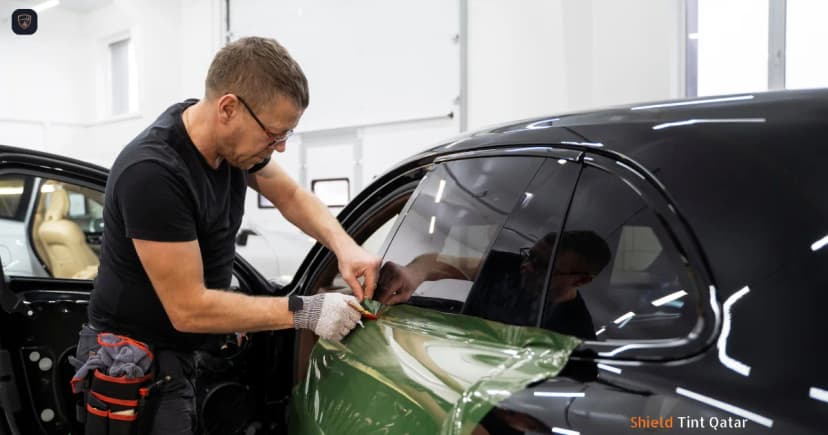
Automotive films are designed to handle 'curved' glass. They are more shrinkable during installation to conform to the contours of car windows. They also focus heavily on signal transparency for GPS and phones, and high glare reduction to ensure safe night driving.
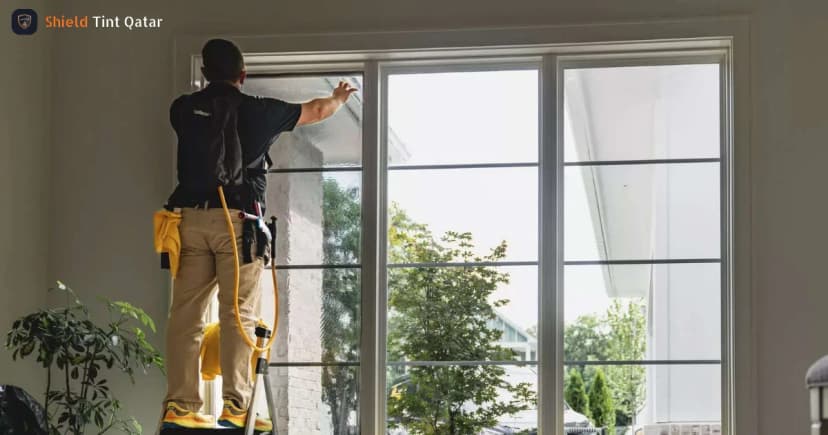
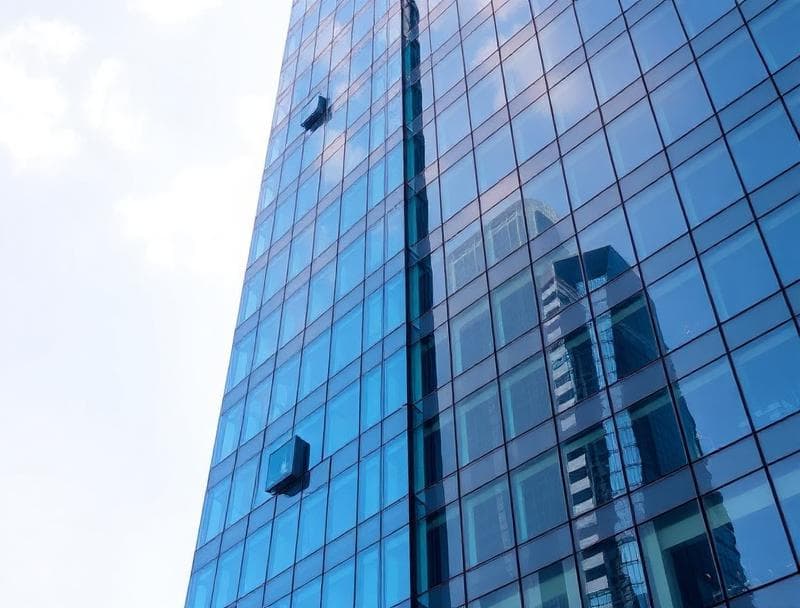
Architectural films for homes and offices are designed for 'flat' glass. These films are often thicker and focus more on long-term thermal stability and energy efficiency. They also include options like safety and security film, which are designed to hold glass together in case of a break-in — a feature less common in standard car tints.
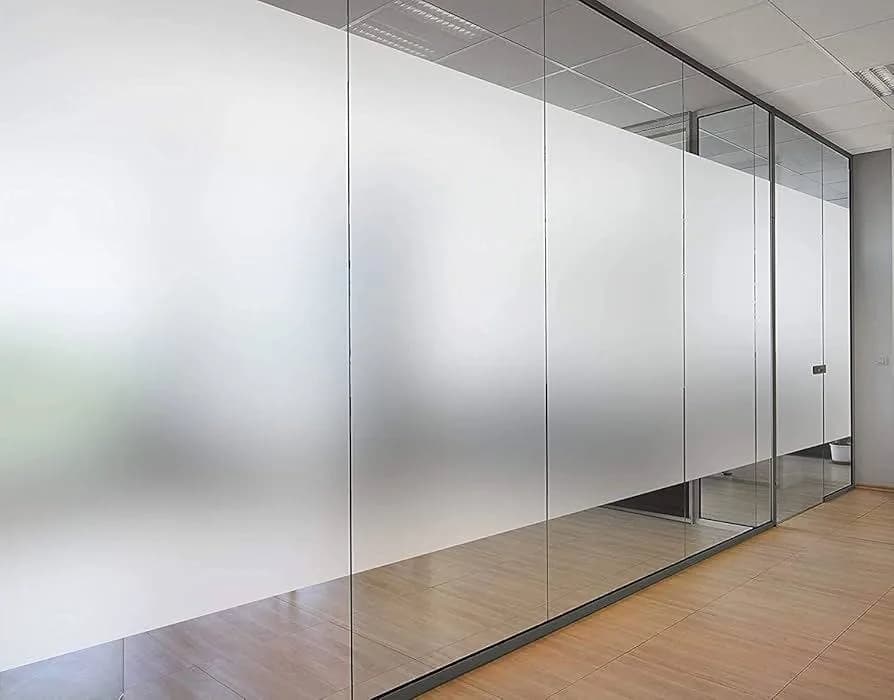
In Qatar, both applications benefit most from ceramic technology. However, the 'look' might differ. Homeowners often prefer films that provide privacy from the outside but maintain a natural view from the inside. Car owners might prefer a slightly more mirrored or sleek dark finish to complement the vehicle's paint.
Surface protection is another area of divergence. Car owners often opt for PPF (Paint Protection Film) in addition to window tint to protect against sand and stones. For homes, similar technology can be used on marble countertops or elevator panels to prevent scratches.
At Shield Tint, we have specialized teams for both sectors. We use industry-specific films from top global manufacturers to ensure that your car gets the best automotive film and your home gets the most efficient architectural solution.