Not all window tints are created equal. In the extreme heat of Qatar, where temperatures can regularly exceed 45°C, the choice of technology in your window film makes a massive difference in comfort and energy efficiency.
Traditional dyed or metallic films often fail under intense desert sun. Dyed films fade over time and primarily provide aesthetic darkening without significant heat rejection. Metallic films, while better at heat rejection, can interfere with electronic signals like GPS and mobile networks — a major drawback in modern vehicles and offices.
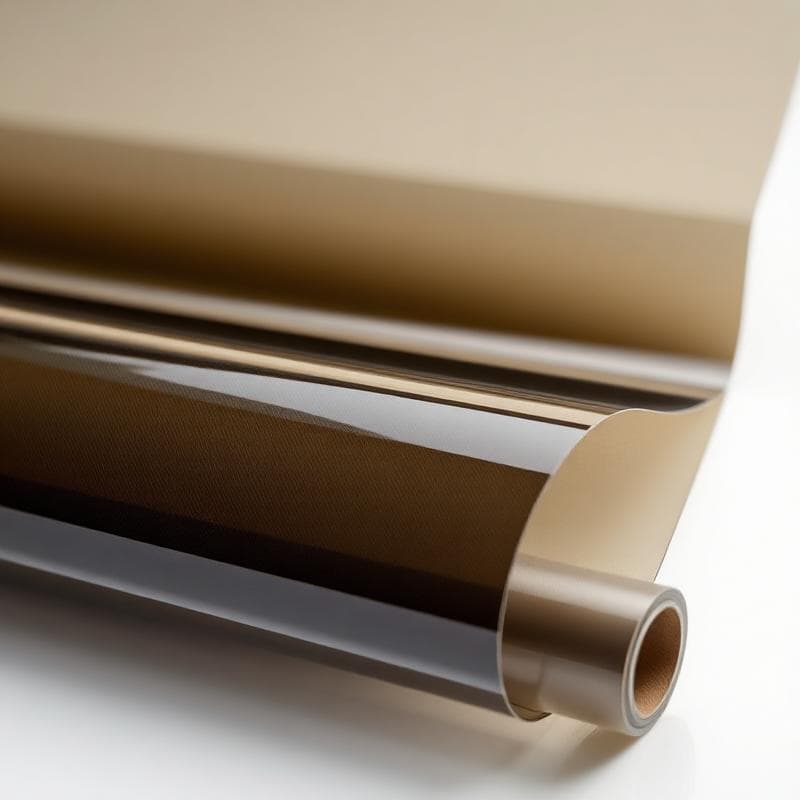
Nano-ceramic window film is the ultimate solution. It uses advanced ceramic particles that are non-conductive and non-metallic. These particles are specifically engineered to block infrared radiation (the heat you feel) and ultraviolet radiation (the rays that cause damage) while allowing visible light to pass through.
The performance statistics are impressive. Quality ceramic films can block up to 95% of infrared heat, leading to a noticeable drop in interior temperatures. This means your air conditioning doesn't have to work as hard, extending its lifespan and saving you money on fuel or electricity.
Another advantage is durability. Ceramic films are incredibly stable and won't turn purple or bubble over time, even under the constant UV bombardment found in Doha. It's a long-term investment that maintains its high-performance characteristics for years.
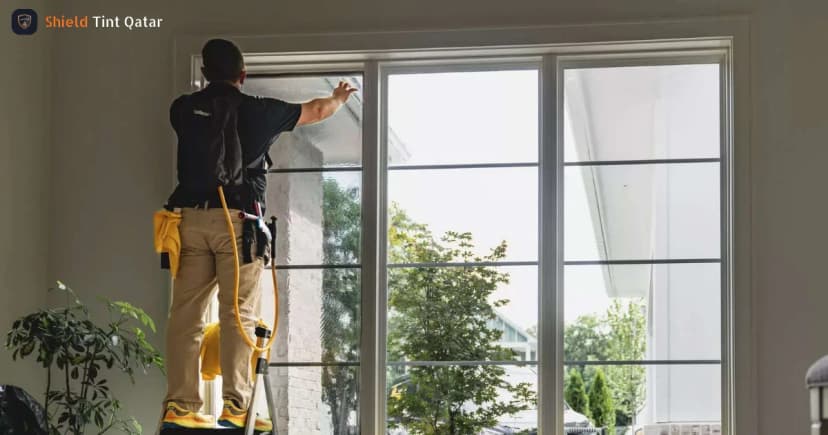
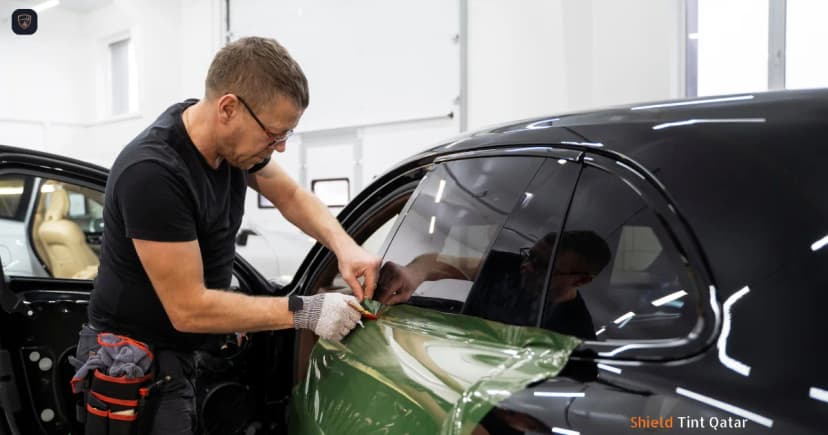
At Shield Tint, we specialize in premium nano-ceramic installations. We've seen firsthand how transforming a villa or a car with ceramic film can change the owner's experience during the long Qatar summer. It's not just a tint; it's a thermal barrier.